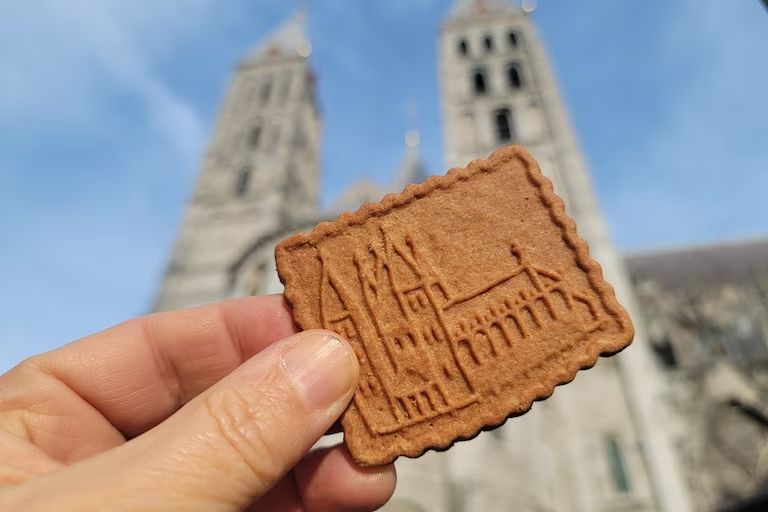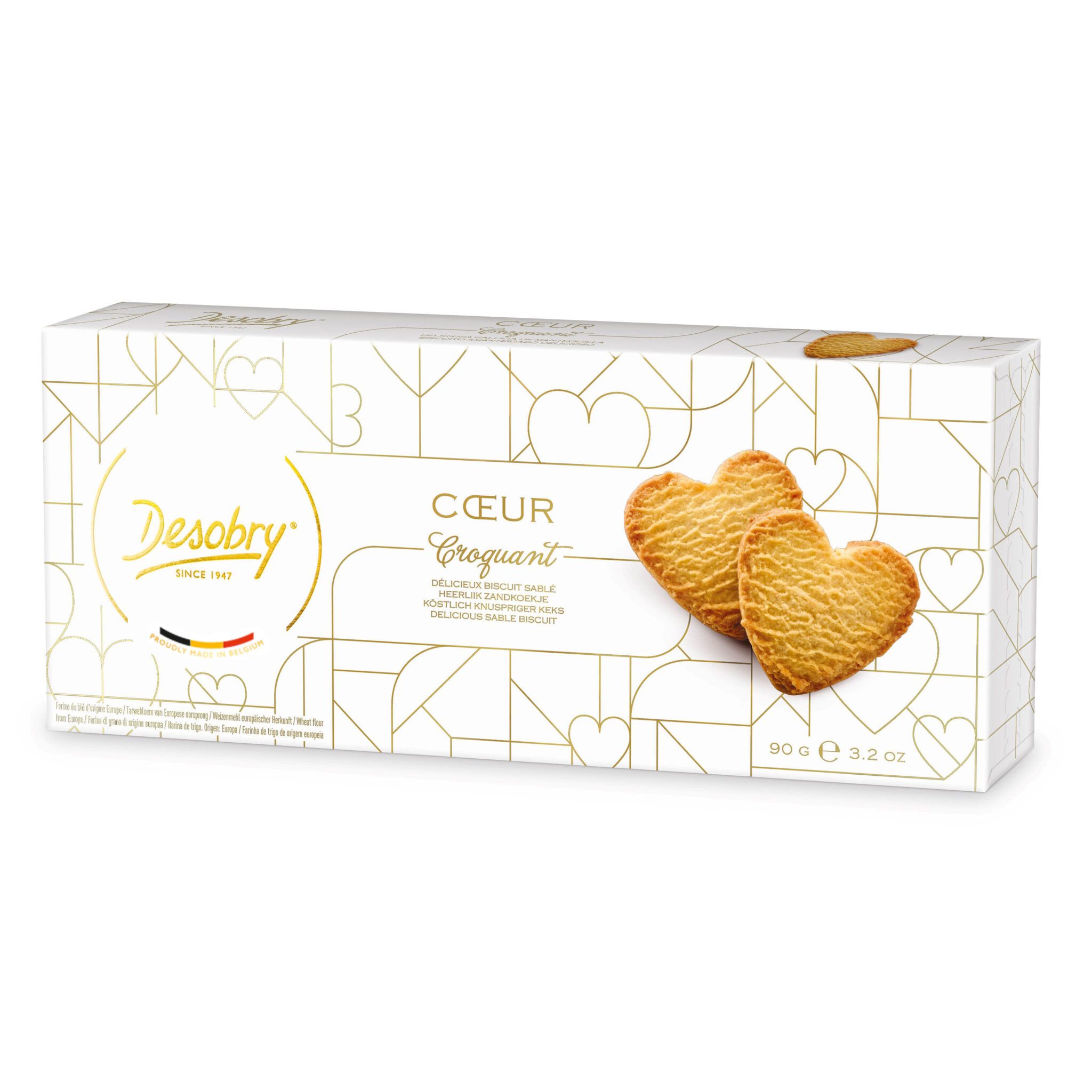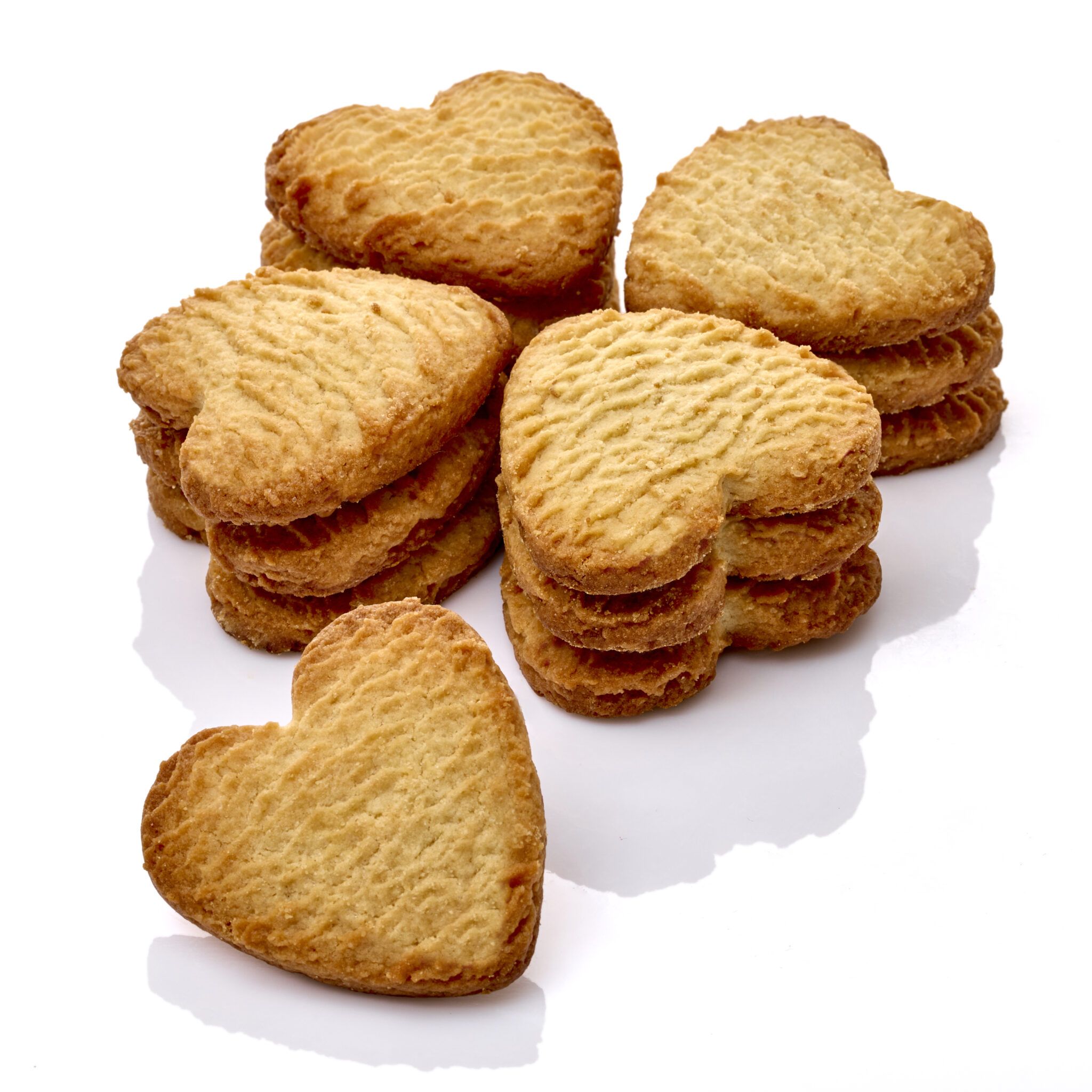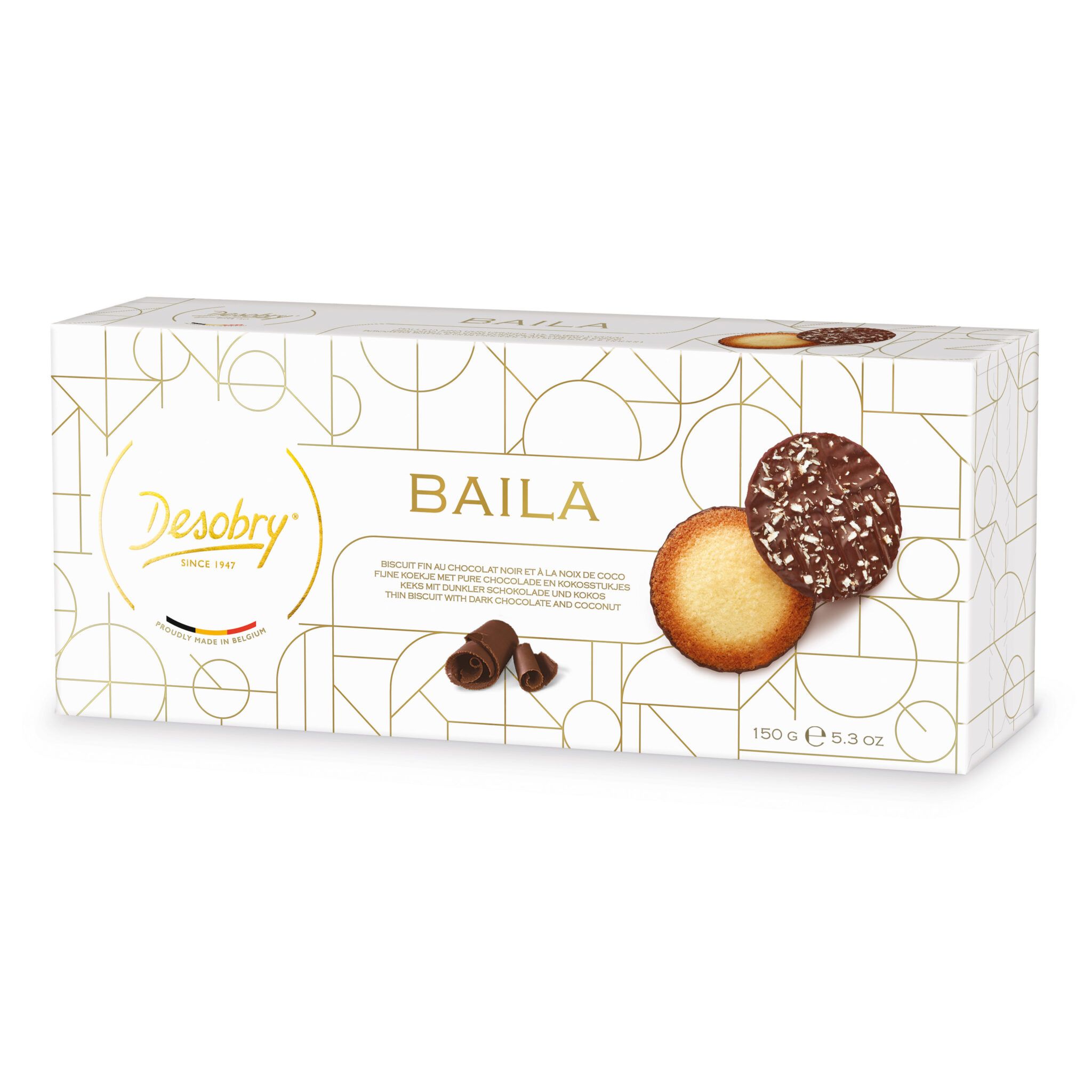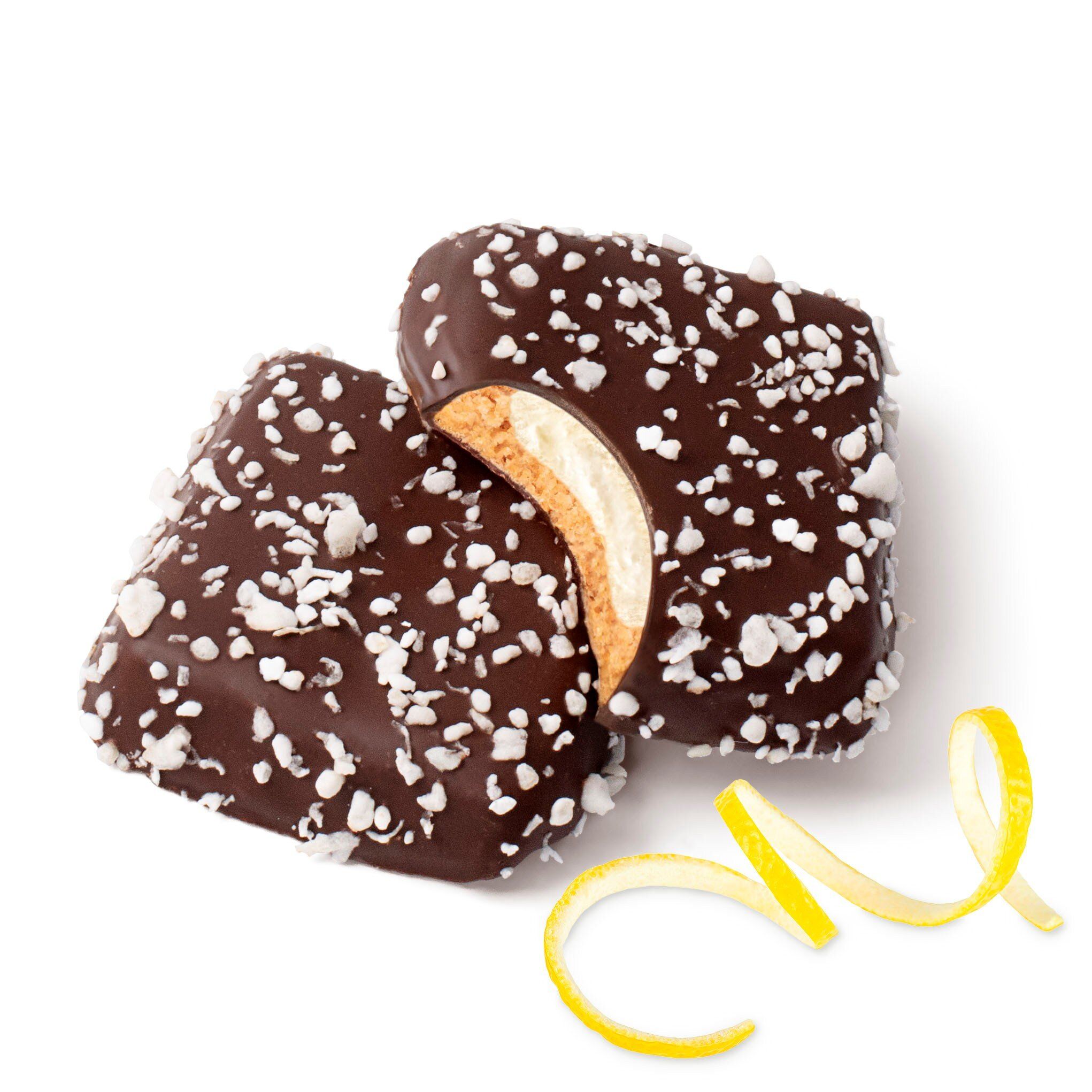
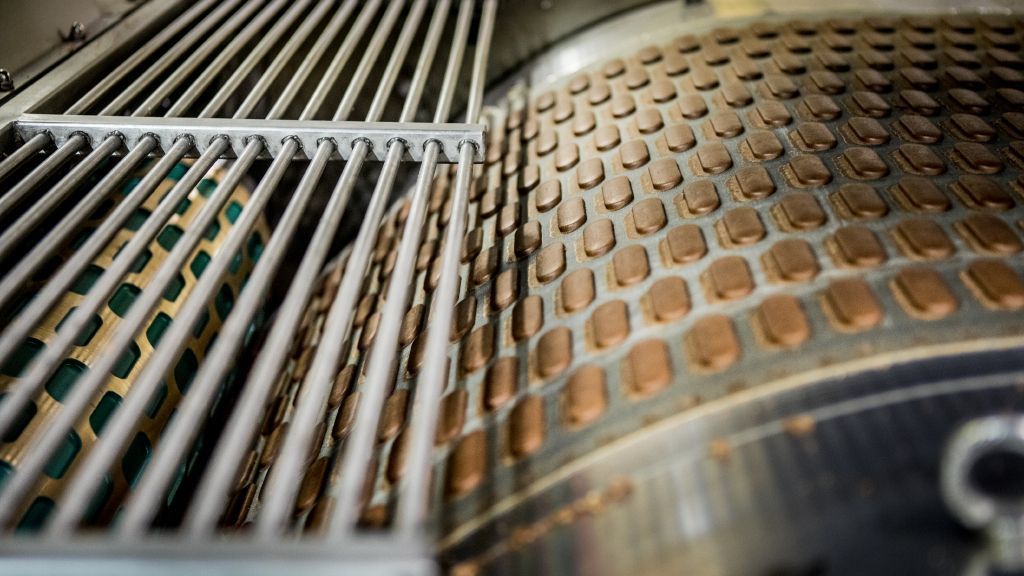
Tucked away discreetly in a suburb of Tournai, the biscuit factory founded in 1947 is thinking big. After investing more than €20 million in automation, it is preparing to relocate, in stages, to a new 5-hectare site outside the city. Enough space to keep growing.
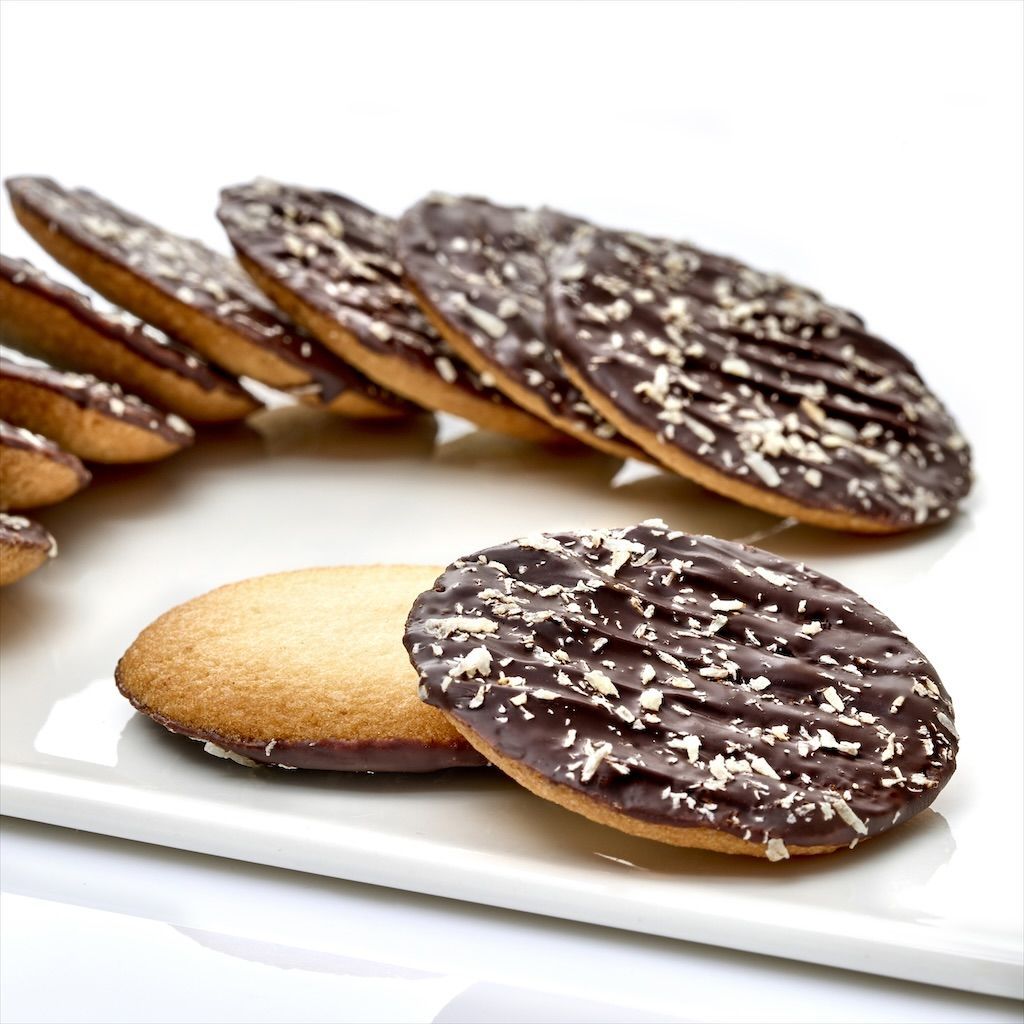
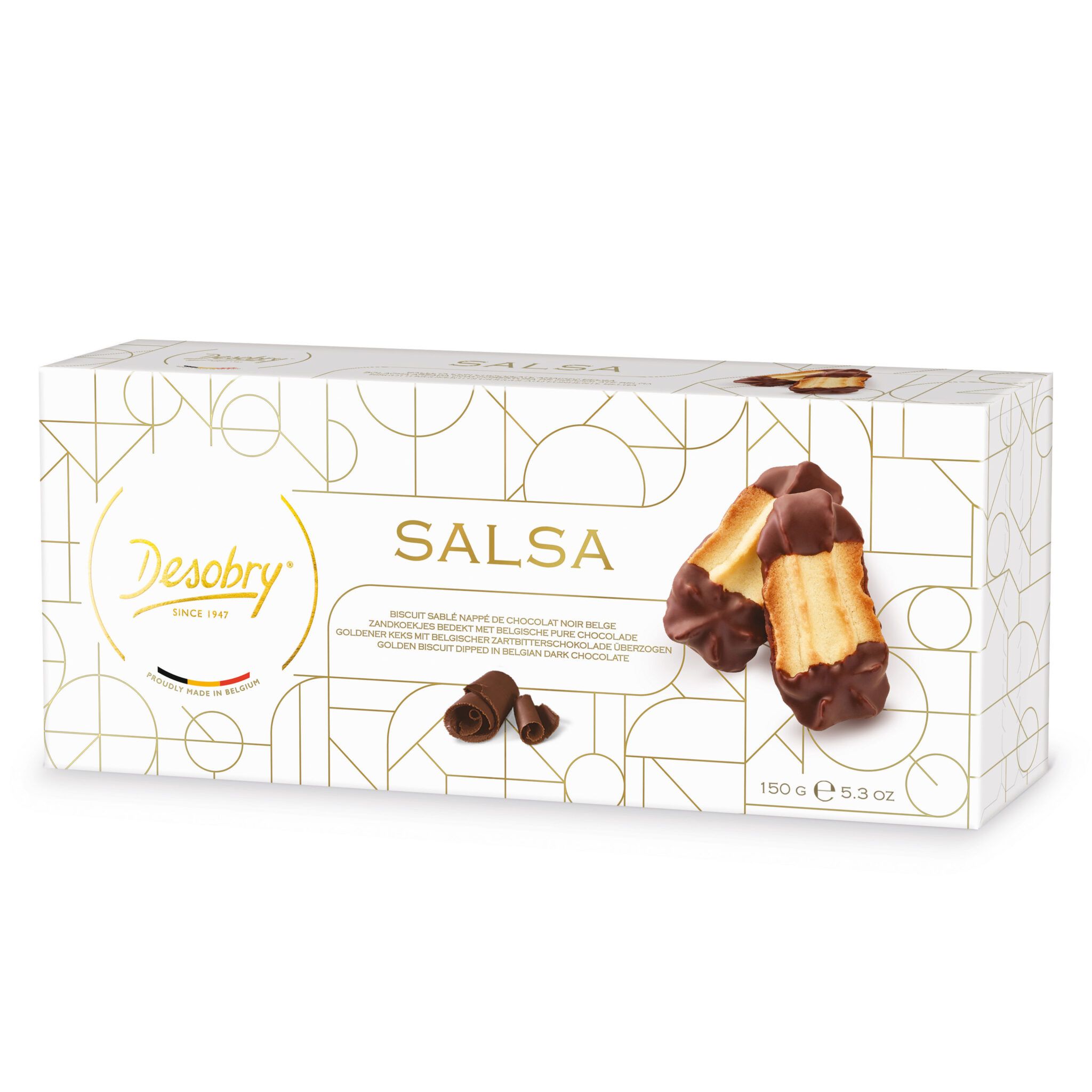
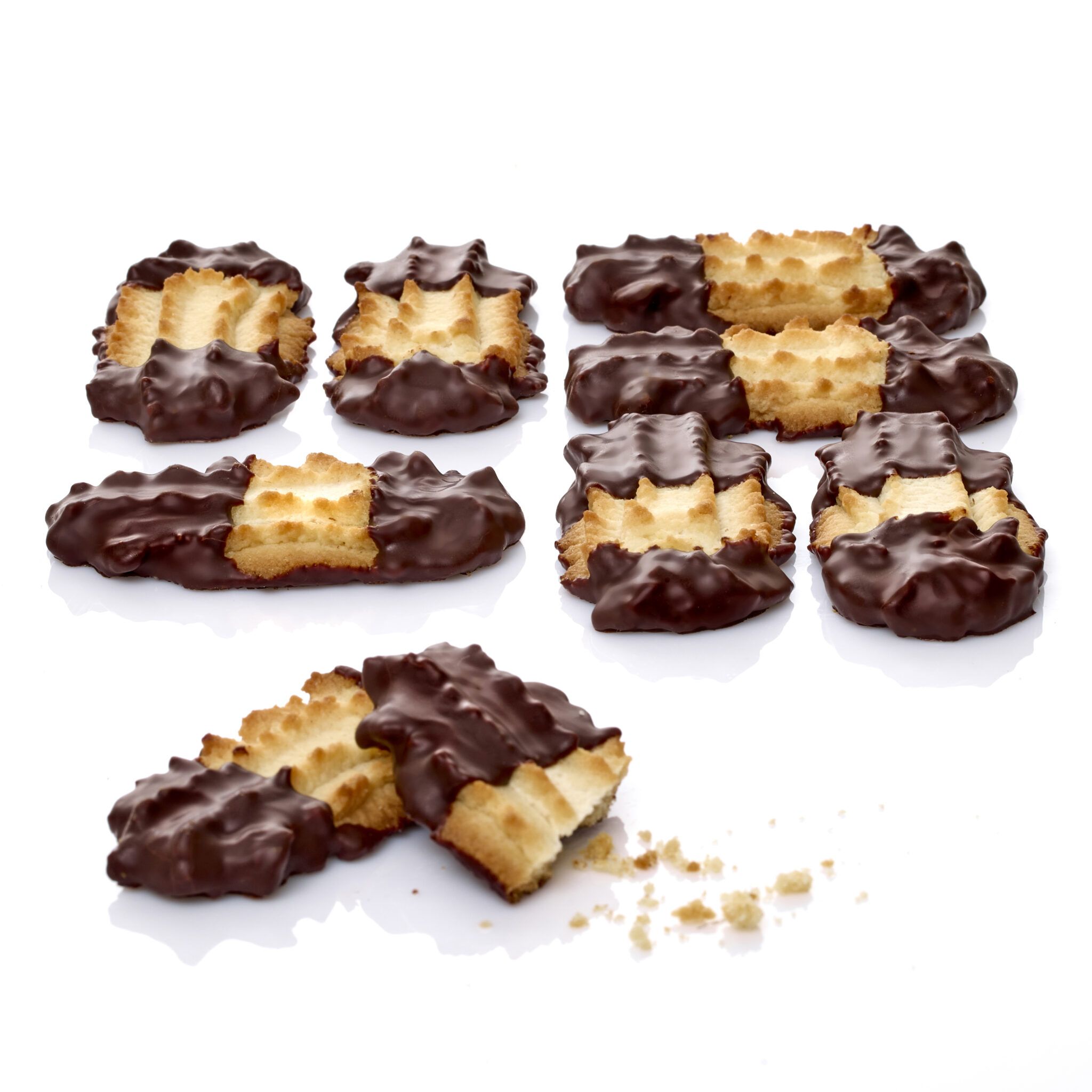
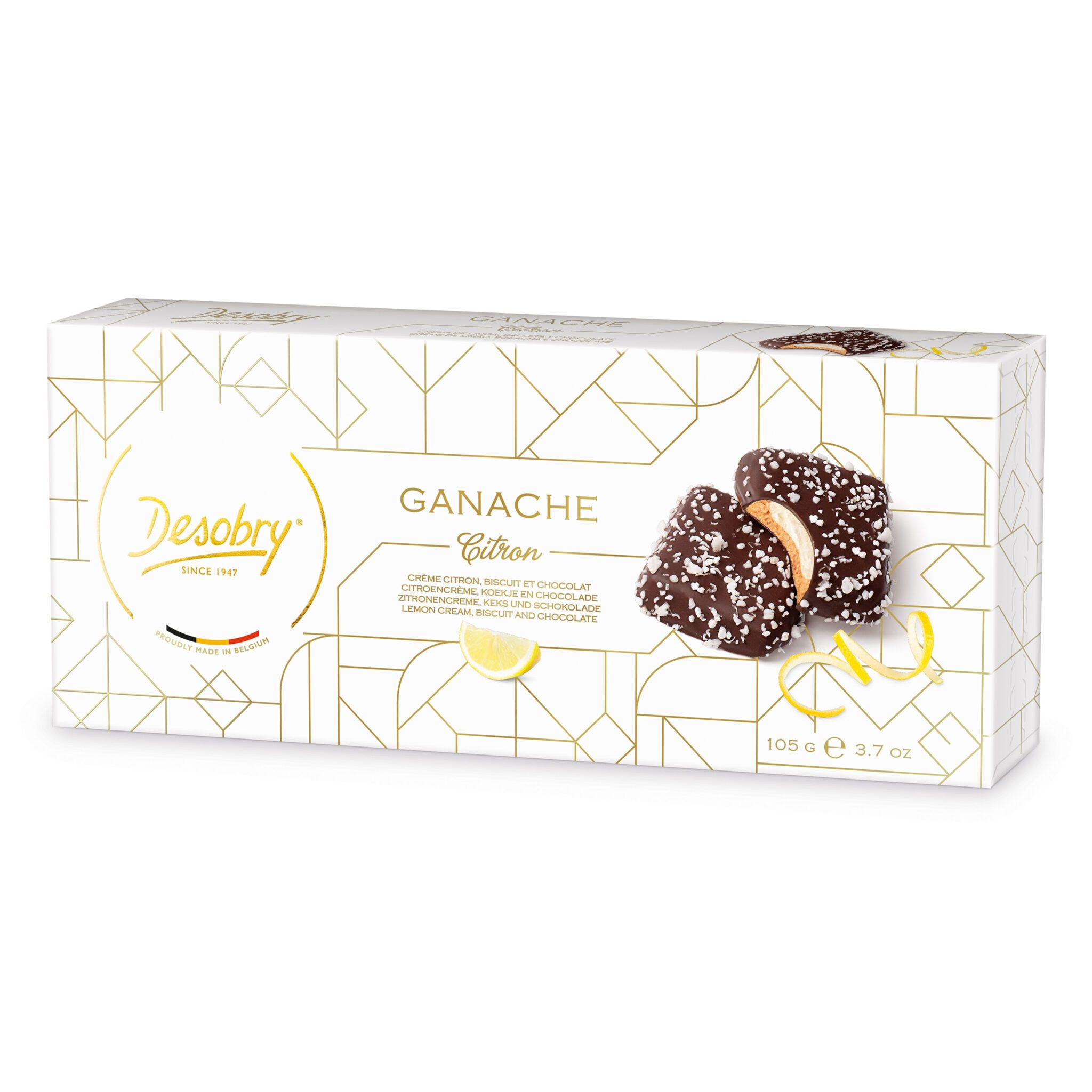
With the factory nestled in the heart of Vert Bocage, a residential district on the outskirts of Tournai, it is hard to believe it produces nearly… 800 million biscuits a year. Yet the small company founded in 1947 by Léon Desobry is thinking big—bigger and bigger. Its credo: exports. Eighty percent of Desobry’s production is sold on foreign markets.
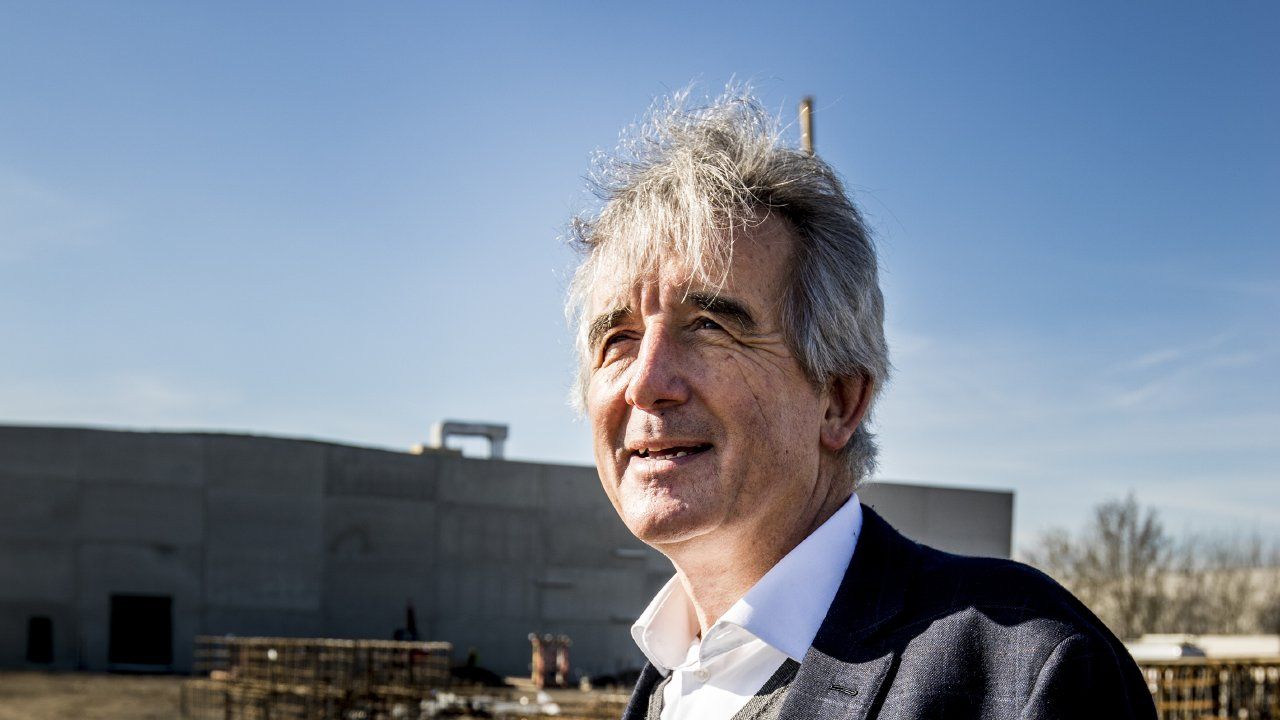
“Our brand awareness in Belgium is still one of our weak points. We are mainly present in large-scale retail, for which we supply private-label products”, explains Thierry Huet, CEO and majority shareholder of this large SME, which he bought in the early 2000s.
“To avoid being eaten, you have to run faster than the others”
Thierry HUET
CEO of Desobry
An entrepreneur at heart, who previously worked for the American giant Mars and designed the Delitraiteur model, he immediately opted for a growth strategy. “To avoid being eaten, you have to run faster than the others”, he says.
Between being put up for sale by the Desobry family in 1981 and being bought back by its management in 2000, the biscuit factory went through a rather turbulent period. Sold to the American multinational Pillsbury, it found itself seven years later—alongside Suzy waffles and Häagen-Dazs ice cream—under the umbrella of the British giant Grand Metropolitan, which would later refocus on beverages under the name Diageo.
In 1997, the food activities were sold to Albert Frère’s CNP. But food was not really its area of expertise. So when the dioxin crisis broke out in 1999, Thierry Huet, managing director of Suzy and Desobry, pushed CNP to sell everything.
Suzy was acquired by Lotus Bakeries, while Huet, supported by two fellow managers, took over Desobry through a management buyout (MBO).
In April 2000, the deal was completed with the active support of Banque Degroof, which still holds 22% of the capital. Even though the owner is no longer the same, Desobry has therefore regained its family-business DNA: the Huet family now owns 67% of the shares, with the remaining 11% held by the company’s management.
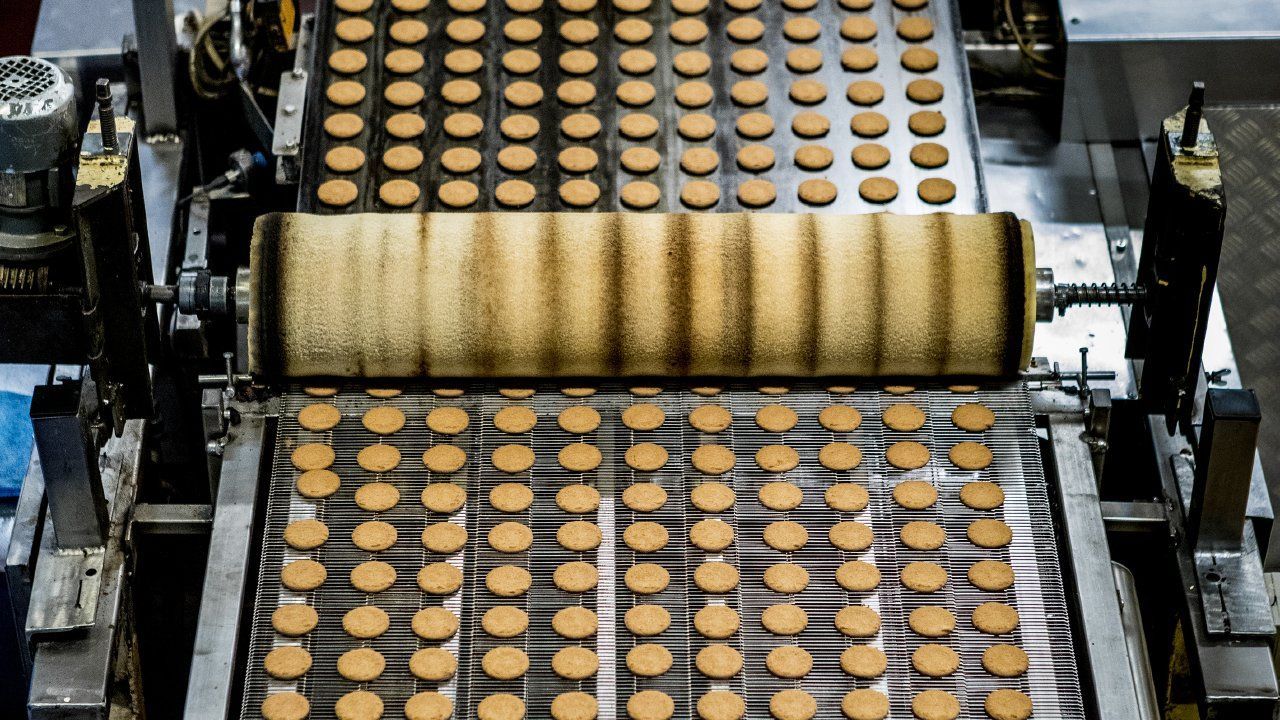
Under the leadership of its new boss, the biscuit factory quickly took off—and has not stopped since. Its five production lines now enable it to produce nearly 6,000 tonnes of biscuits per year.
Cash flow before profit
Except for Africa, Desobry biscuits can be found on every continent. This has enabled it to achieve turnover of €36 million—four times more than when the company was acquired 18 years ago.
Admittedly, profit is capped at €1 million, but there are also €2 million in depreciation on investments. For Thierry Huet, that is what matters most. “My primary goal is to generate cash flow rather than profits.”
Under his leadership, the biscuit factory chose globalization. “Desobry is a company that dares. To be able to export, you have to play in the Champions League. We manage to do so even though our smallest competitor is 15 times bigger than we are”, says Thierry Huet.
How? By focusing on three cardinal virtues in his eyes: quality and distinctive taste; industrial rigor and efficiency; an organization “that is both precise and creative, built on rigor and self-discipline”.
To export, you need to be able to offer attractive prices. Not easy for a Belgian company that is hardly able to leverage competitive labor costs. Desobry’s boss has found the solution.
“SMEs must dare to invest in automation and digitalization processes. With higher social costs, automation is a key ally in preserving jobs if, like us, you want to stay in Tournai”, says Thierry Huet.
The figures confirm it. Desobry, which invested €23 million in automation and digital technology between 2008 and 2013, has never employed so many people: it now has 260 employees. This is the result of implementing a production system unique in the world, characterized by automation pushed to the extreme and rational use of space, enabling Desobry to take on the big multinationals.
To continue its development, Desobry is preparing to relocate in stages. Cramped on its current site, the biscuit factory will gradually move, starting next year, to a new 5-hectare site in the Tournai Ouest industrial zone. In addition to the warehouse already built, a much more spacious new packaging unit and an automatic wash facility will be added. Construction began in January. The company is investing €14 million for the project.
“The works will be completed at the end of July, and the equipment will be installed between August and December. The transfer of all packaging operations should therefore be completed by January or February 2019”, the CEO specifies.
The schedule is tight. As an aside, it is also worth noting that the many meetings scheduled next week forced Desobry’s boss to cancel his participation in the royal visit leaving this weekend for Canada.
In addition to these new facilities covering 12,000 square meters, another building will also be added, which will house all production. But that will not be for a while yet.
“We will need to invest at least the same amount. Construction of this second building will not take place for a few years. We must first digest the relocation of the packaging unit”, says Thierry Huet.
On the lookout
Desobry will then be perfectly equipped to continue its expansion. At this stage, there is no question of setting up a factory across the Atlantic to tackle the North American market. “We do not have the critical mass to do it”, says its CEO.
Could the company’s development involve one acquisition or another? “Of course. We remain on the lookout”, replies Thierry Huet, who still regrets not having been able to acquire Delacre biscuits, which in 2016 came under the control of the giant Ferrero.
Desobry is sticking more than ever to its original choice: globalization. “We are a good example of what the Walloon government wants: a growing company that relies on export markets”, emphasizes its CEO. An acquisition would be welcome, but organic growth remains the preferred route.
This includes, in particular, conquering new markets. “We went after South America two years ago, and today demand is exploding, notes Thierry Huet. We are present in Korea, China, Japan, Western Europe, the United States, and Canada. Eastern Europe, on the other hand, is more difficult to break into. But the main challenge is managing growth and not letting ourselves be overtaken.”
Nothing to frighten this son of a military man, very familiar with autonomy, whose time in the United States stimulated both his appetite for risk and his ability to control it. “Uncertainty can be tamed. In Desobry’s case, for example, we have to manage six main currencies and very strong competition. We try to build teams of executives who operate like paratroopers, with the ability to make decisions independently.”
The problem is recruiting employees who meet this prerequisite. “It is not always easy to hire young people and tell them: ‘the page is blank; it’s up to you to find a way to fill it’. Yet the loss of judgment is the greatest danger of artificial intelligence. AI is a major contribution, but it in no way replaces humans”, emphasizes Thierry Huet.