1947
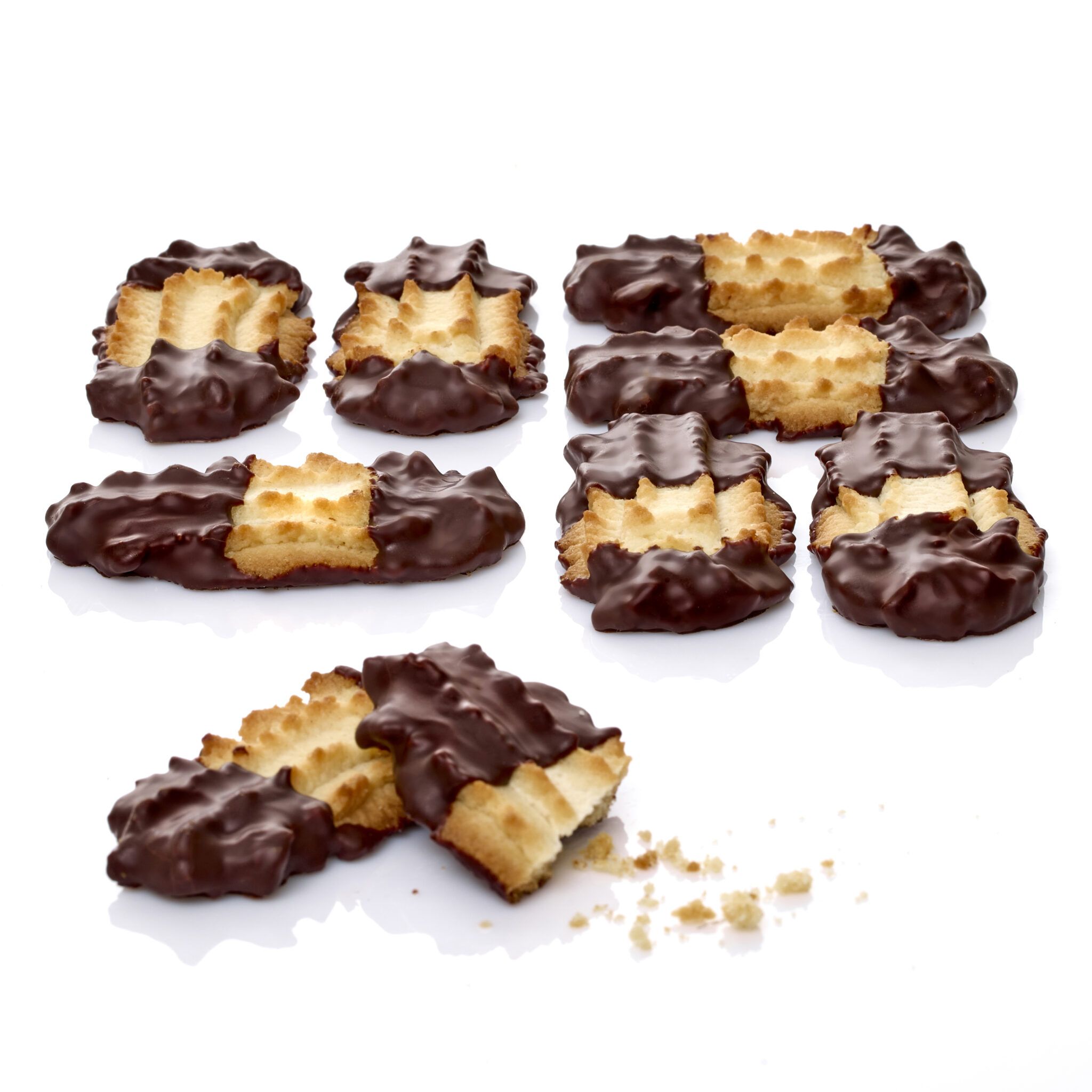
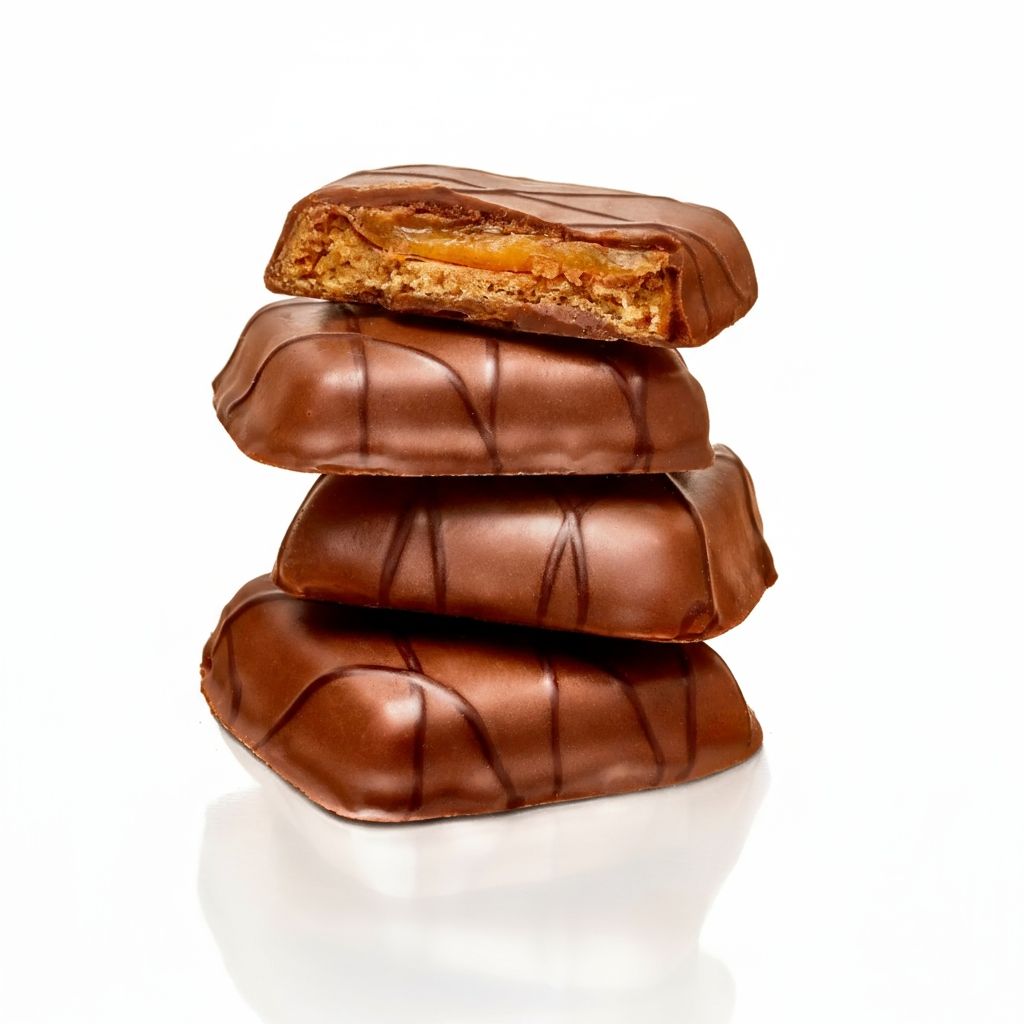
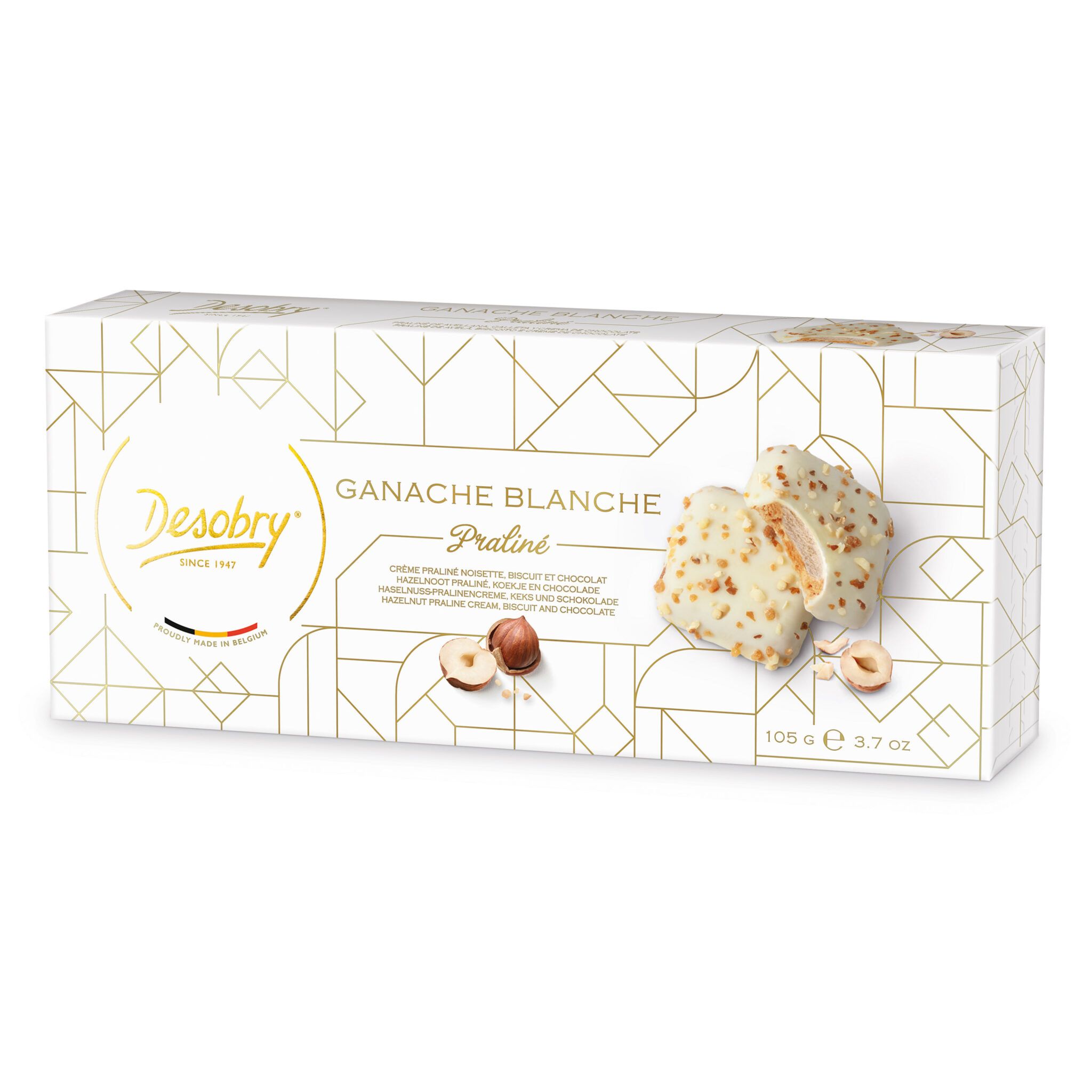
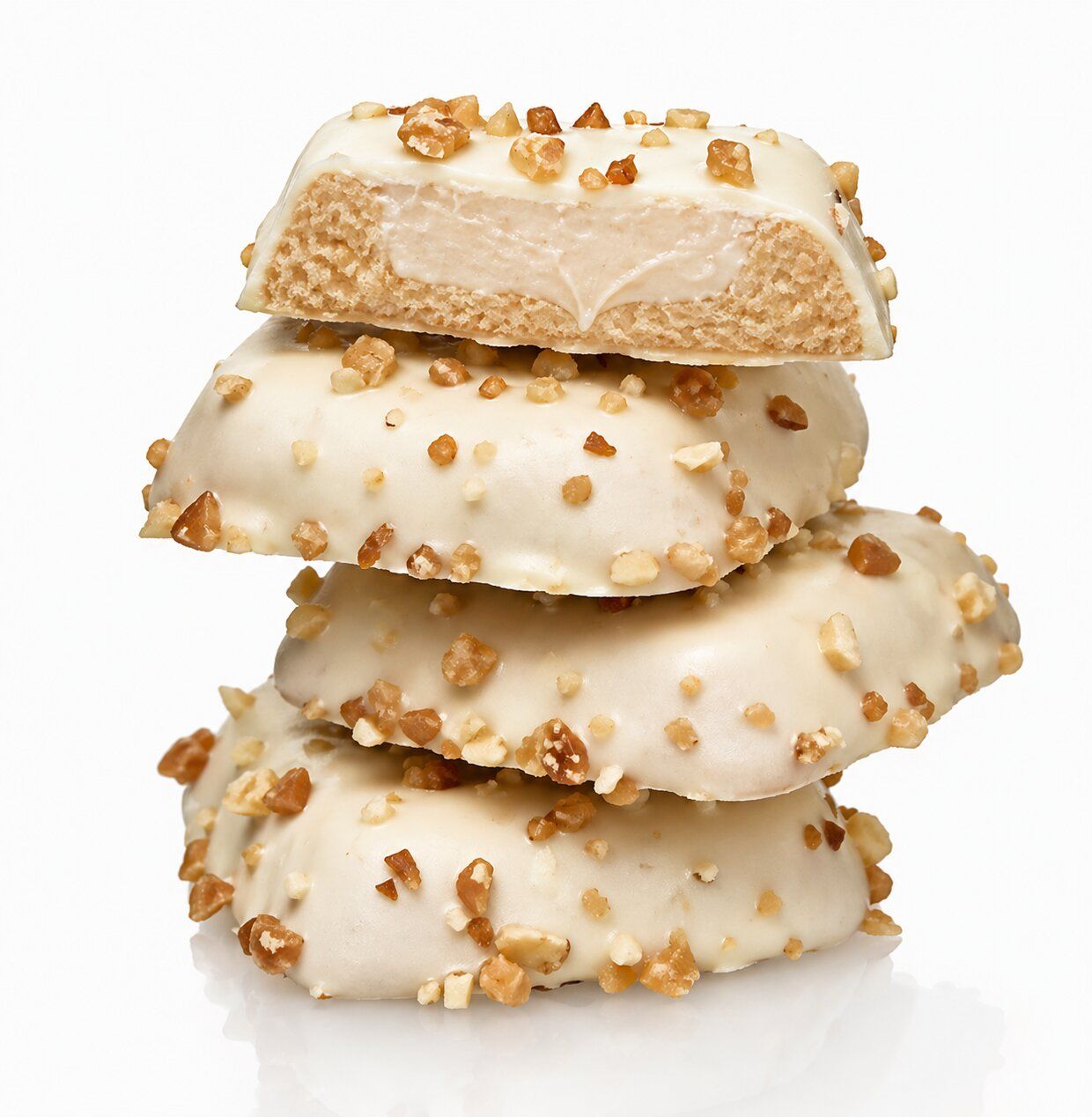
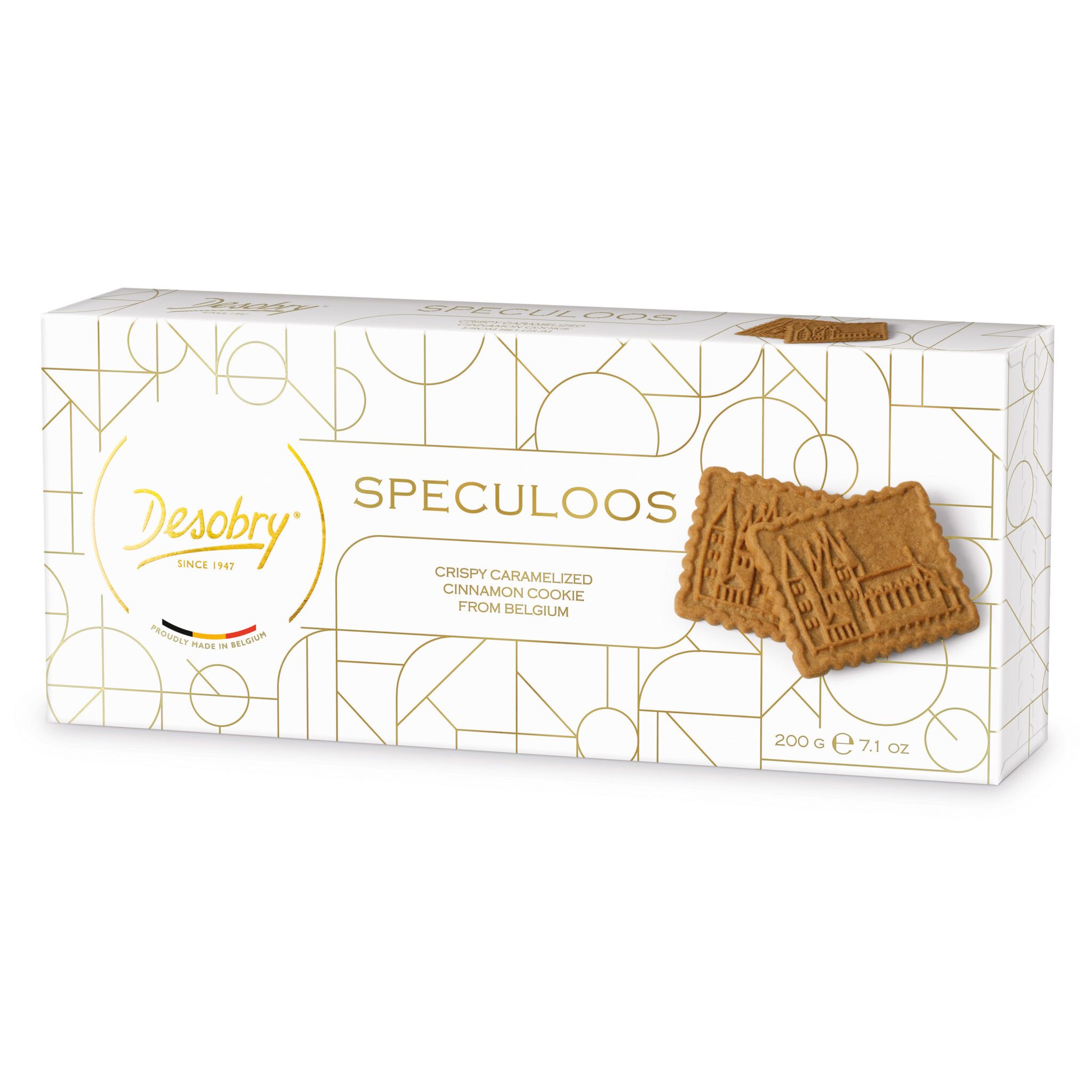
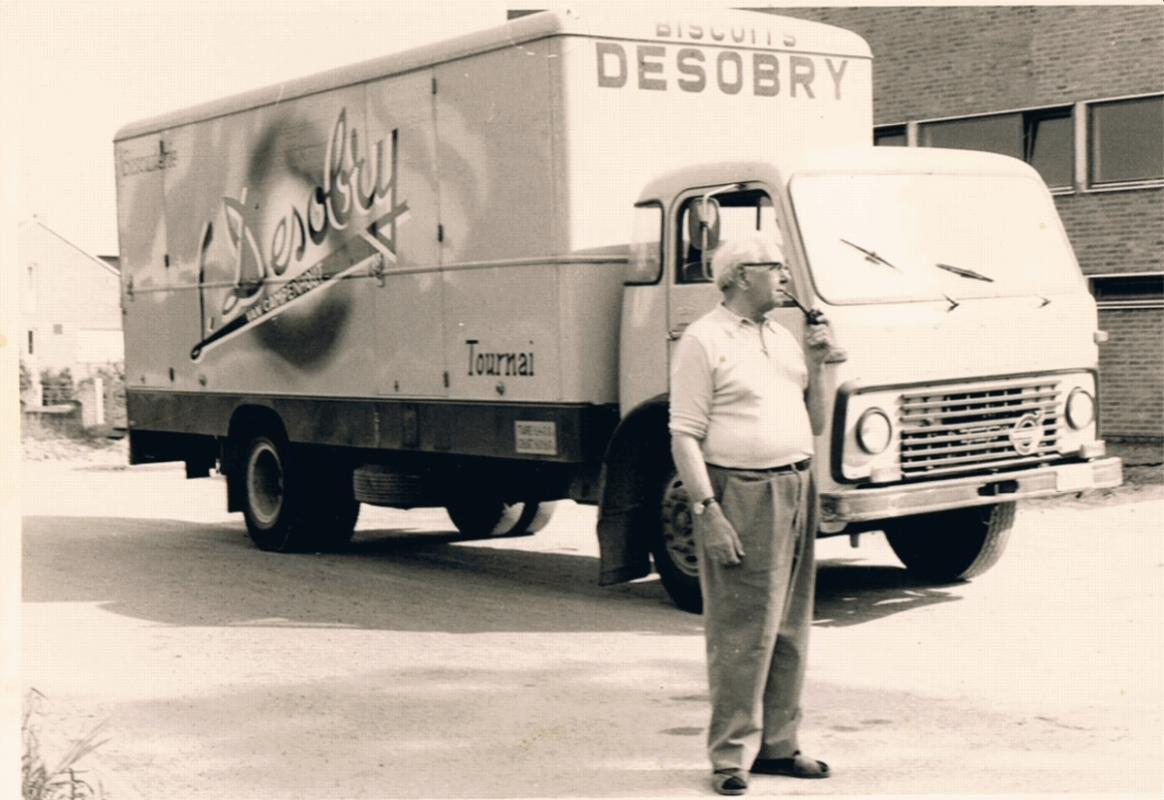
It all began in 1947, when Léon Desobry developed his own biscuit recipes in his workshop. Unbeknownst to him, he created biscuits that would be universally appreciated in over 40 countries for more than half a century!

1981
The Desobry biscuit company was sold to the American multinational Pillsbury.

1989
The American group Pillsbury, owner of Desobry, was acquired by the British giant Grand Metropolitan, which also owns Suzy, Häagen-Dazs, J&B, and Burger King. Desobry then came under British control.

1997
Desobry was resold to Albert Frère's Compagnie Nationale à Portefeuille (CNP). However, as food was not part of CNP's core business, the group subsequently decided to resell its brands, including Desobry.
2000
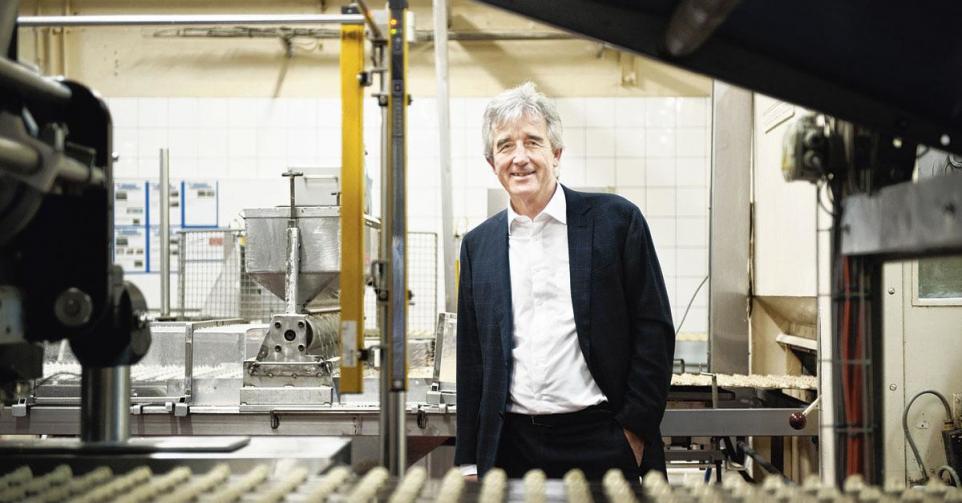
Desobry became a Belgian biscuit company again, a status it retains to this day. Since then, its growth strategy has been based on two pillars: innovation and export. Desobry invested 23 million euros in automation and digital technology between 2008 and 2013.

2018
Facing growth and the limitations of its historic site, Desobry launched a project to reorganize its infrastructure in 2018. The company gradually transferred its packaging and storage activities to the Tournai Ouest (Orcq) industrial zone, to a new 5-hectare site. This move, effective from 2019, allowed for the modernization of facilities, optimization of logistics, and preparation for the future consolidation of all activities, while maintaining 100% Belgian production.
2026
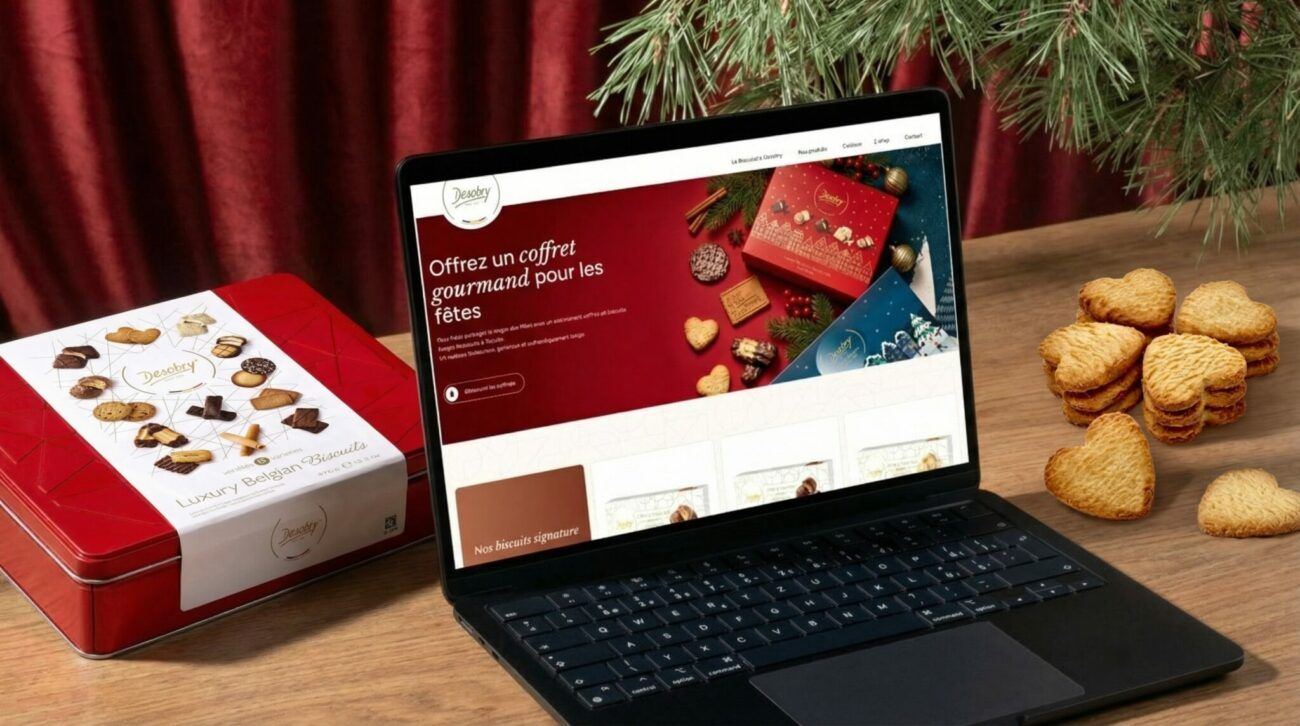
In 2026, Desobry undertook a complete redesign of its website to better reflect its identity, expertise, and dynamism. The new site aims to offer a more modern, intuitive, and inspiring experience, while enhancing the visibility of products, the brand's history, and online sales, both in Belgium and internationally. This move, effective from 2019, allowed for the modernization of facilities, optimization of logistics, and preparation for the future consolidation of all activities, while maintaining 100% Belgian production.